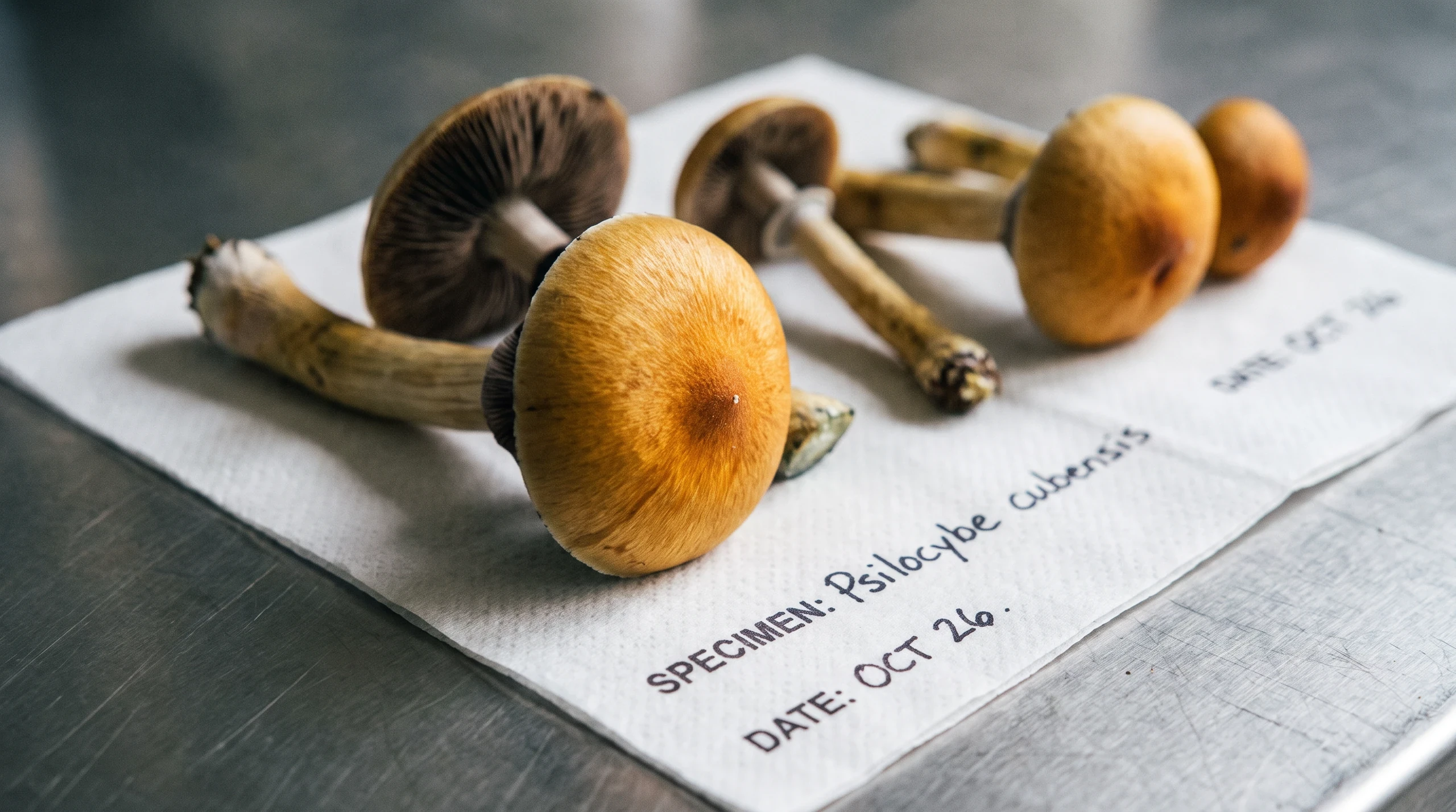
You took Golden Teacher. Something happened. Now what? The question sounds reductive until you realize most people treat a psychedelic experience like a movie they watched once and then never think about again. Integration is the opposite of that. It's the work of taking what surfaced during the experience and letting it reshape how you move through the world after. Not in some mystical sense, though the language around it often drifts that way. The neuroscience suggests something more mechanical is happening, something about windows and plasticity and the brain briefly entertaining ideas about itself it normally wouldn't consider.
The term gets thrown around in psychedelic circles until it loses meaning. "Did you integrate?" people ask, as if it's a checkbox. The reality is messier. Golden Teacher temporarily changes how your brain communicates with itself, and integration is what you do with that change before the window closes. It's not therapy in the clinical sense, though therapy can be part of it. It's closer to the work of learning a language while your brain is unusually ready to learn one, before the normal filters and patterns snap back into place.
The Amplifier, Not the Author
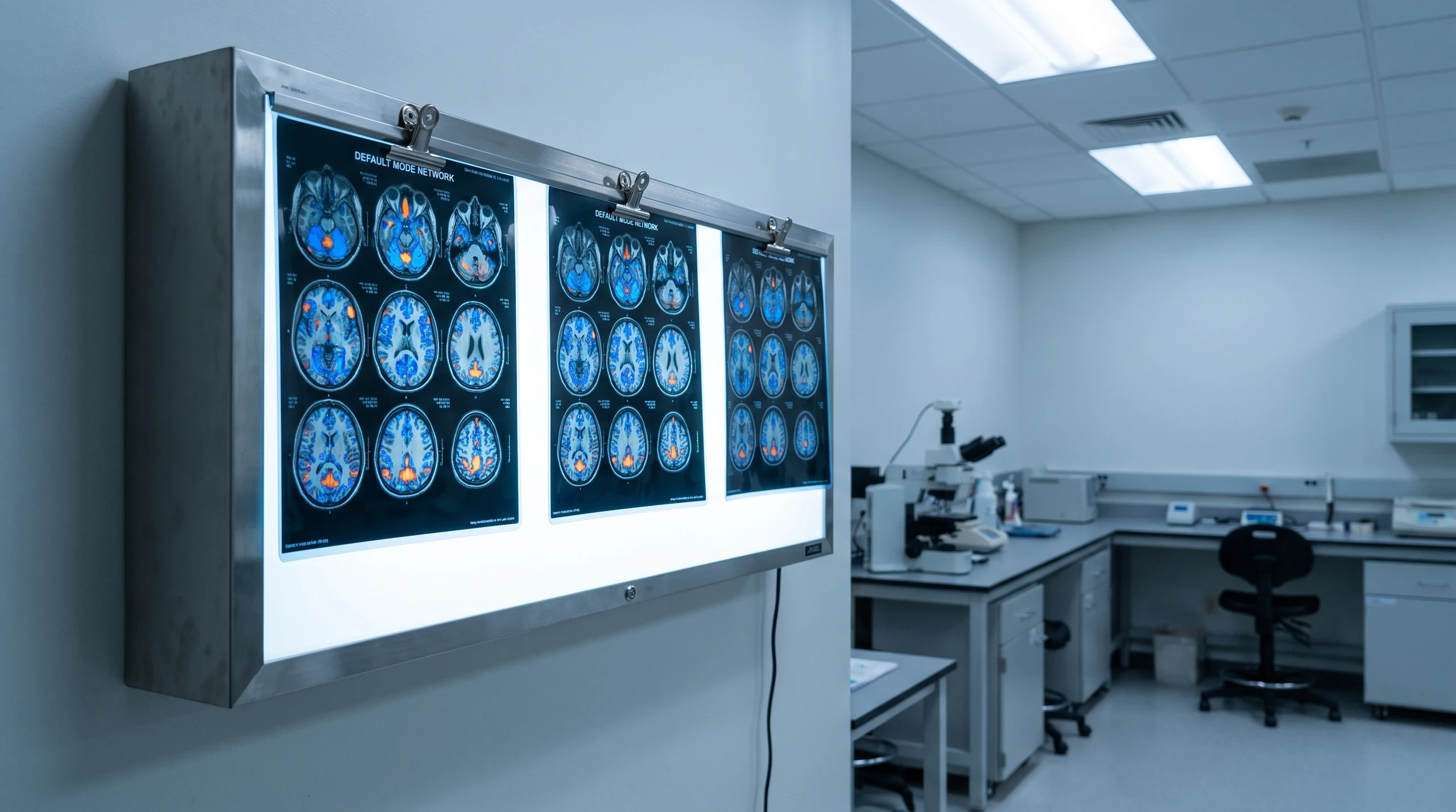
Here's the frame that helps: Golden Teacher doesn't write new code into your brain. It amplifies what's already there, quiets the usual executive chatter, and lets dormant networks light up. The default mode network, the brain's ongoing monologue about itself and its place in the world, goes quiet under psilocybin. Other regions that don't normally talk to each other start forming temporary alliances. You get access to thoughts and feelings that your everyday filtering system usually suppresses.

Integration is the process of deciding what to do with that access. The experience itself is the amplifier turned up. Integration is you sitting with the recording afterward, figuring out which parts were signal and which parts were noise.
The metaphor matters because it kills the idea that the mushroom is some external teacher handing you wisdom. Psilocybin works by changing the gain on systems you already have. The insights feel profound because they're yours, just seen from an angle your normal waking state doesn't permit. Integration fails when people treat those insights as commandments from beyond instead of recognizing them as their own thinking, briefly unshackled.
What the Neuroplasticity Window Actually Means
Golden Teacher creates what researchers are starting to call a neuroplasticity window. For days or weeks after a significant psilocybin experience, the brain appears more willing to form new connections and prune old ones. Synaptic growth factors increase. Dendritic spines, the tiny protrusions where neurons connect, show increased branching. The brain is, briefly, in a state more like childhood learning than adult maintenance.

This is where integration stops being abstract. If you do nothing during that window, it closes. The new connections don't solidify. The old patterns reassert themselves because they're well-worn and efficient. Your brain defaults back to what it knows.
If you use the window, deliberately and consistently, some of those new patterns stick. This is not mystical. It's the same mechanism behind any learning, just turbocharged for a short period. You practice the new thought pattern. You reinforce the insight through action. You notice when you're falling back into the old groove and redirect. The mushroom opened the door. Integration is walking through it enough times that it stays open.
The science here is still early, but the pattern is consistent across studies: psilocybin increases markers of neuroplasticity measurably, and that increase correlates with therapeutic outcomes only when paired with some form of integration work, whether that's formal therapy or structured self-reflection.

The Mechanics of Turning Experience Into Change
So what does integration look like in practice? The disappointing answer is it looks like a lot of things, none of them particularly glamorous. Journaling within 24 hours of the experience while the details are fresh. Talking through what came up with someone who can hold space without jumping to interpretation. Identifying one concrete behavioral shift to practice, something small enough to actually do.
The common thread is translation. The experience happens in a state your normal consciousness doesn't have great access to. Integration is building a bridge between that state and your default one. You write it down because the act of turning it into language makes it legible to your waking mind. You talk it through because hearing yourself explain it forces coherence. You pick a concrete action because abstract insights evaporate without tether.
People often skip this part. They have the experience, feel changed, assume the change will hold on its own. A month later they notice they're back to the same patterns, and they blame the mushroom or themselves. But the mechanism requires follow-through. The neuroplasticity window doesn't care about your intentions. It cares about what you actually do during the time it's open.
Set and setting matter during the experience, but integration is the third leg of the stool. You can have perfect conditions going in and still lose everything that surfaced if you don't do the work afterward.
Why This Isn't Just Placebo or Positive Thinking
The obvious objection: isn't this just the psychedelic version of "manifesting"? You have a weird experience, decide it was meaningful, then confirm that meaning through motivated reasoning?

The neuroscience pushes back on this. Placebo doesn't change dendritic spine density. Positive thinking doesn't quiet the default mode network in measurable, reproducible ways. The brain changes under psilocybin are physical and detectable. What integration does is give those physical changes a direction.
Without integration, the changes still happen. The window still opens. But it's random. Some old pattern might weaken, some new connection might form, but there's no coherent through-line. With integration, you're directing the plasticity toward something specific. The difference is between wandering around a building with all the doors unlocked versus knowing which room you're trying to reach.
The data on this comes mostly from clinical trials, where therapeutic outcomes from psilocybin-assisted therapy correlate more strongly with the quality of integration support than with the intensity of the acute experience. People who report earth-shattering trips but receive minimal follow-up often show no lasting benefit. People with moderate experiences who receive structured integration often show significant and durable change.

Golden Teacher, specifically, has become the reference cultivar in many of these discussions not because it's biochemically unique but because its effects profile is predictable enough to design studies around. Moderate potency, consistent character, a strong-but-not-overwhelming experience that leaves room for the reflective work that integration requires.
Holding the Science Honestly
The hard part: we're still figuring this out. The neuroplasticity window is well-documented at this point, but the exact timeline is unclear. Some studies suggest two weeks. Others point to effects lasting a month or more. Individual variation is high. Your brain's responsiveness to psilocybin depends on factors we don't fully understand yet.

The integration frameworks people use are borrowed from therapy, from contemplative traditions, from trial and error. None of them have been rigorously tested in controlled conditions. The advice to journal, to talk it through, to practice new behaviors, all of this is educated guessing based on what seems to work and what we know about learning and memory consolidation.
What we can say with confidence: doing something is better than doing nothing. The brain's increased plasticity after Golden Teacher is a resource. Using it deliberately, even imperfectly, produces better outcomes than ignoring it. Beyond that, the field is still young.
There's also the risk of over-integration, of trying to squeeze meaning from every stray thought that crossed your mind during the experience. Not everything that surfaces is profound. Some of it is noise. Some of it is your brain's visual cortex misfiring in entertaining ways. Integration requires discernment, the ability to sit with what came up and ask which parts actually point toward something worth changing.

The microdosing conversation intersects here. Some people use sub-perceptual doses of Golden Teacher as a way to maintain the integration window, keeping the brain slightly more plastic between larger experiences. The research on this is even thinner, but the mechanism makes sense in theory.
Why It Matters
If psilocybin is a tool, integration is what makes it useful instead of just interesting. You can have profound experiences and learn nothing. You can glimpse new ways of being and then immediately forget them. The molecule opens the door, but you still have to walk through.

Golden Teacher earned its reputation not because it's the strongest or the most visual, but because the headspace it provides is particularly well-suited to this kind of work. Clear enough to think, deep enough to matter, gentle enough that you're not just clinging to the experience trying to survive it. The cultivar's name is corny until you realize it's describing the integration dynamic: the mushroom as teacher only if you do the homework after.
The other piece that matters: integration is where harm reduction extends past the trip itself. A bad experience that gets integrated well can become useful. A good experience that gets ignored or misinterpreted can calcify into spiritual bypassing or pseudoscientific nonsense. The work you do afterward determines whether the experience moves you toward clarity or deeper confusion.
This also means integration is where community and resources make the biggest difference. Clinical trials provide integration support as part of the protocol. People experimenting on their own often have to figure it out themselves, which works until it doesn't. The question of access matters here. The people most likely to benefit from Golden Teacher are often the least likely to have access to skilled integration support.
The Practical Close
None of this is medical advice, and none of it is instructions for using Golden Teacher or any other psilocybin mushroom. Psilocybin remains a controlled substance in most places. What this is: a frame for understanding why the experience alone isn't enough, why the real work happens in the days and weeks after, and what the neuroscience suggests about making that work actually stick.
Integration is the part that's under your control. The mushroom does what it does. Your brain responds how it responds. But what you do with the window of increased plasticity, that's where agency lives. It's unglamorous work. Writing, talking, practicing, noticing, redirecting. Boring enough that people skip it, important enough that skipping it means wasting the opportunity the experience provided.
Frequently asked questions
Is integration necessary after every Golden Teacher experience?
How long does the integration window stay open?
Can you integrate without a therapist or guide?
What if nothing profound happened during the experience?
How is this different from just regular self-improvement?
Ready to apply what you've learned?
Browse lab-tested magic mushrooms, edibles, microdose capsules and teas — shipped discreetly across the United States.