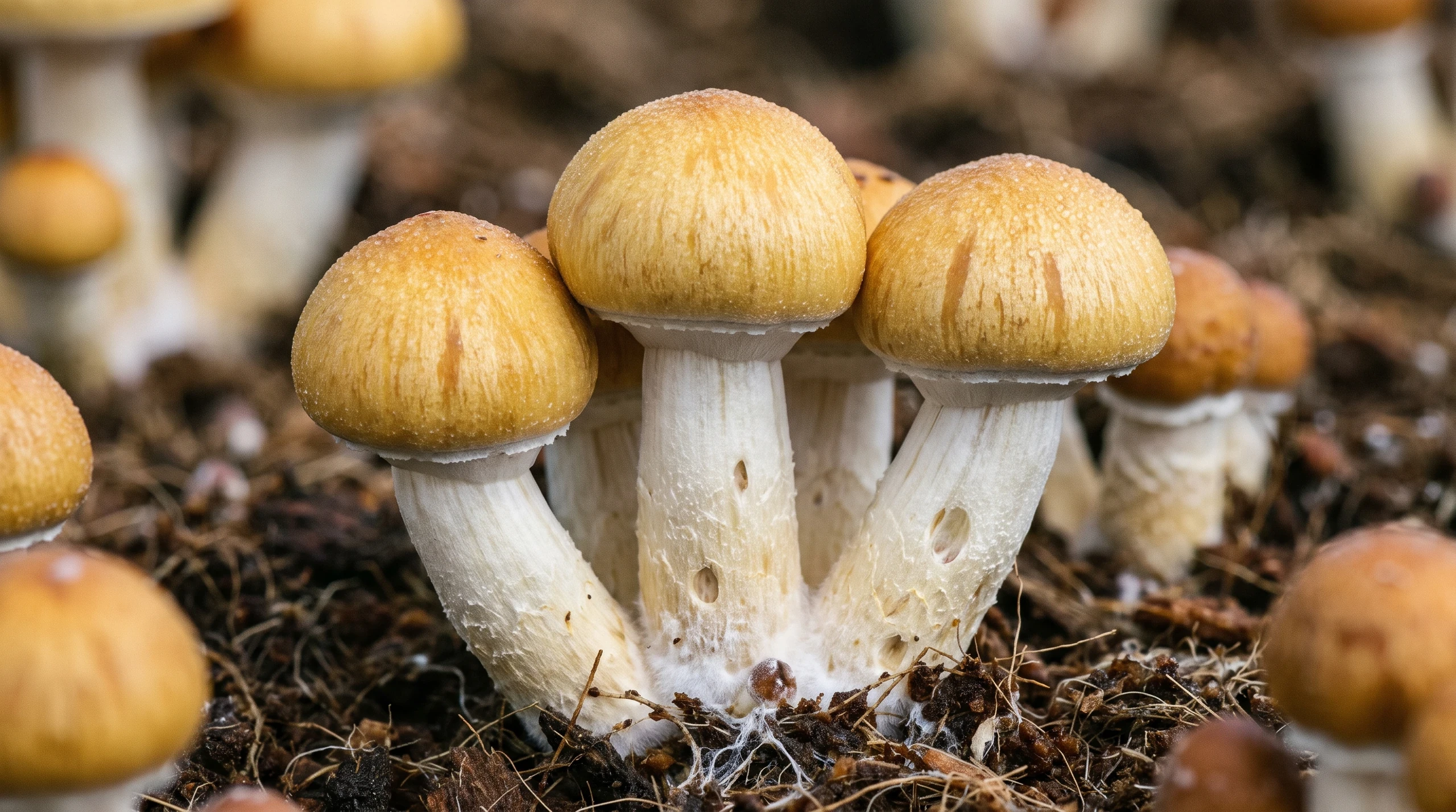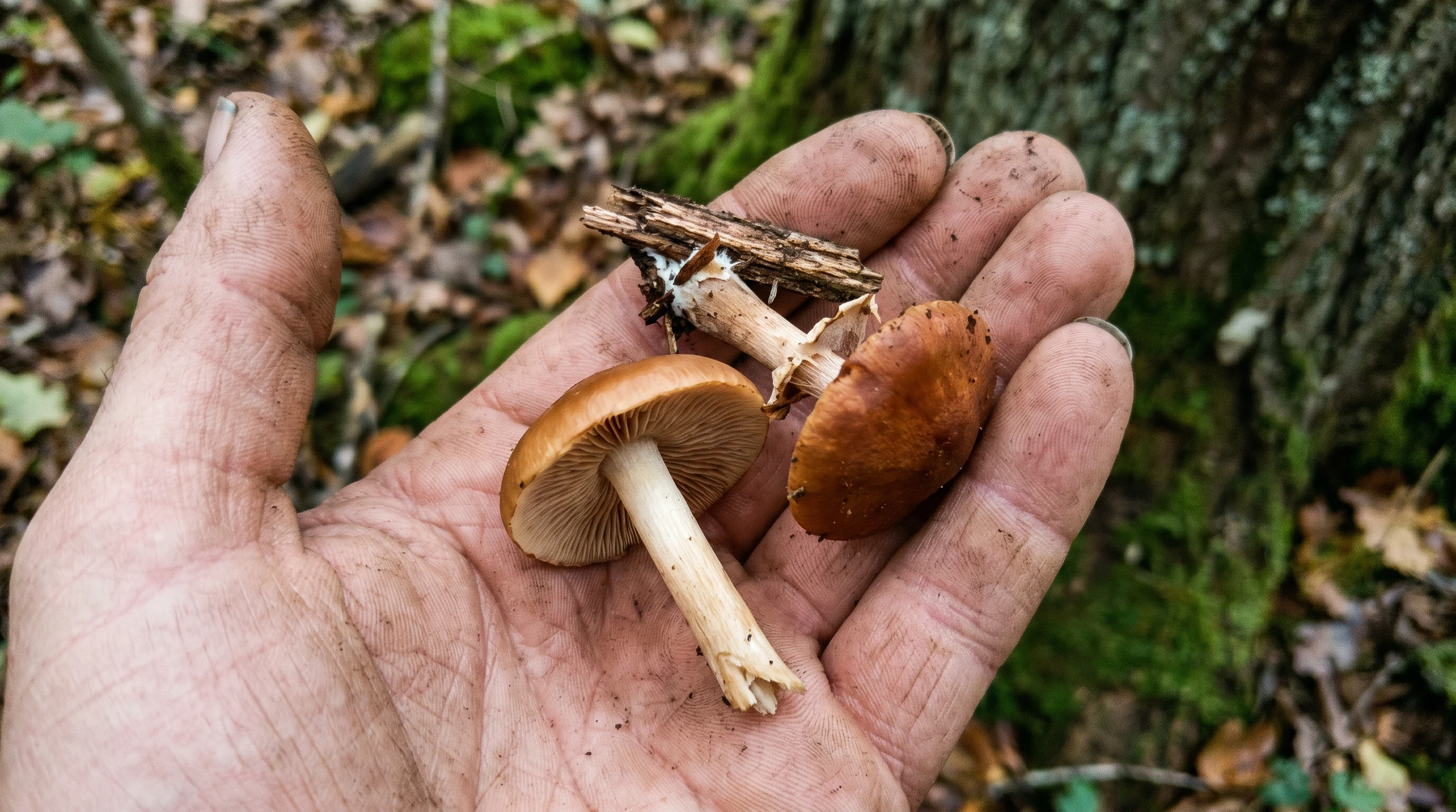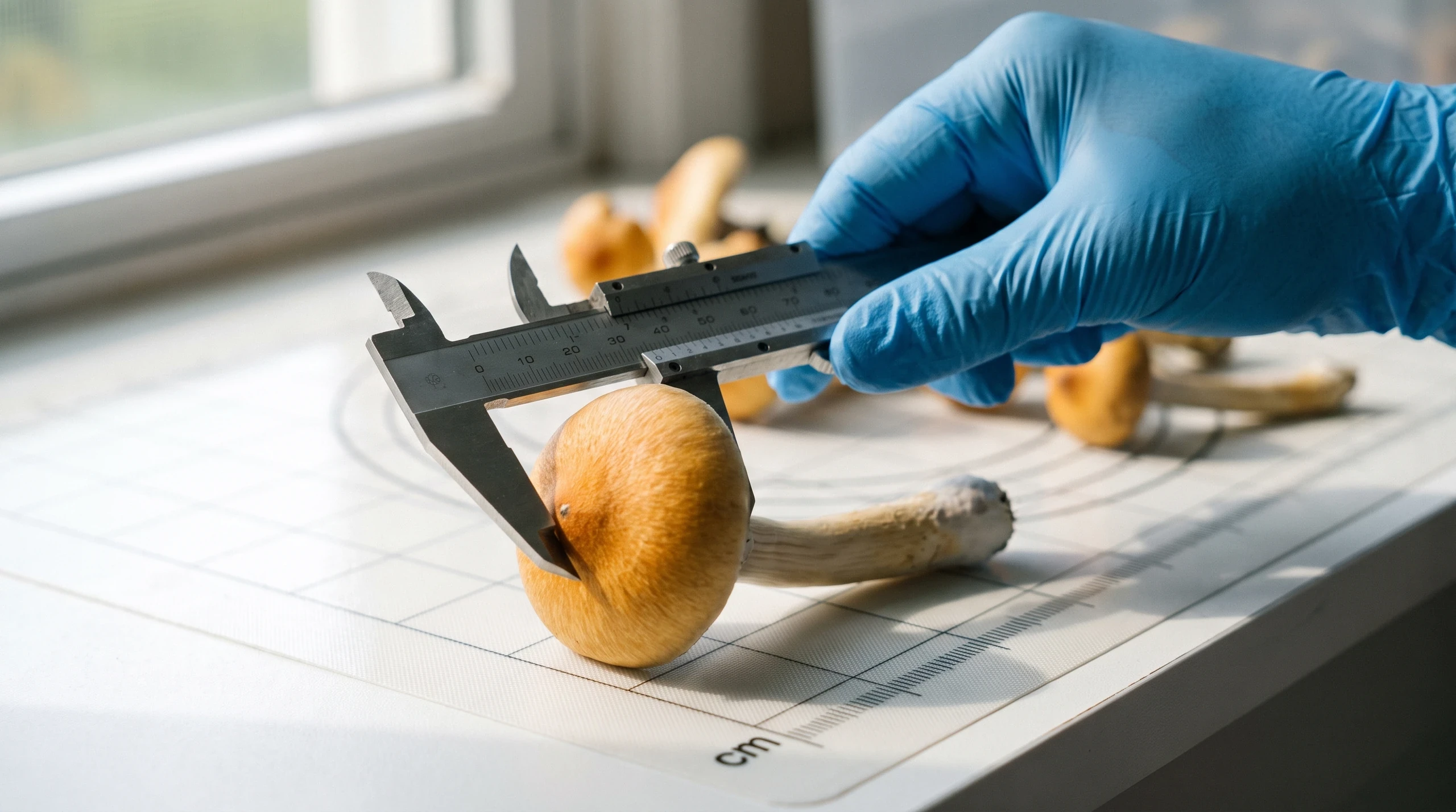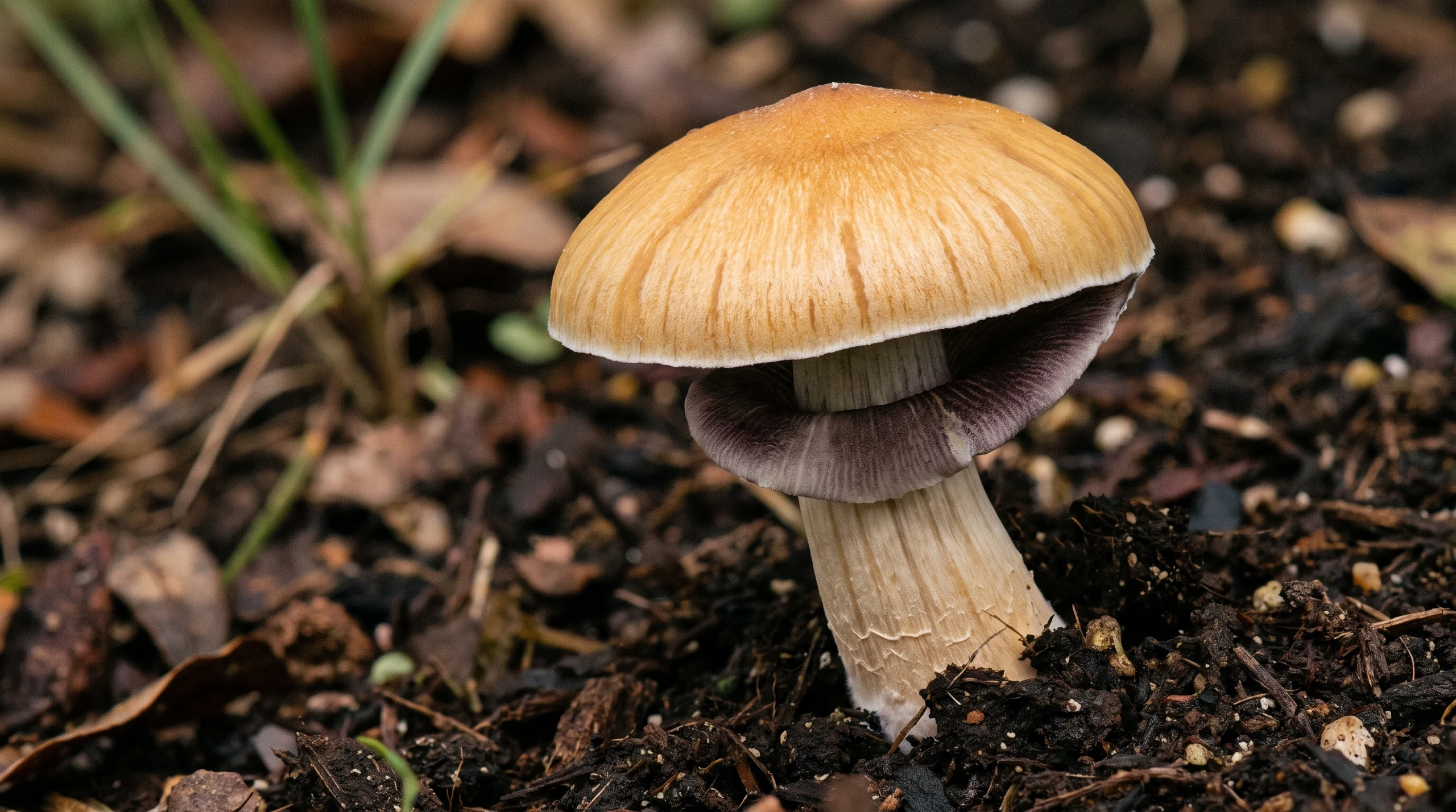
The Golden Teacher cultivar has no birth certificate. No laboratory notebook entry, no patent filing, no formal discovery announcement in a peer-reviewed journal. What it has instead is a collection of competing origin stories, none of them entirely verifiable, most of them originating in the hazy networks of underground spore traders operating in the 1980s and early 1990s. The most persistent version places its discovery in a subtropical Florida pasture sometime around 1986 or 1987, where someone whose name no one can agree on found a specimen with uncommonly vivid golden caps and passed spore prints through the mail-order mycology underground. Within a few years, "Golden Teacher" had become one of the most recognizable Psilocybe cubensis cultivar names in circulation, but its provenance remained, and remains, a subject of debate, speculation, and occasional mythmaking.
Before the Name
To understand the mystery, you first have to understand what Psilocybe cubensis meant to American mushroom culture in the decades before Golden Teacher appeared. The species itself had been taxonomically described since 1906, named for a specimen collected in Cuba, but it lived in relative obscurity until R. Gordon Wasson's 1957 Life magazine article introduced the Western public to the concept of psilocybin mushrooms. Wasson's focus was on Psilocybe mexicana and the Mazatec velada ceremonies in Oaxaca, but his article opened a door that proved impossible to close. By the early 1970s, amateur cultivators were learning to grow P. cubensis indoors, drawn by its ease of cultivation and reliability compared to temperamental wild species.
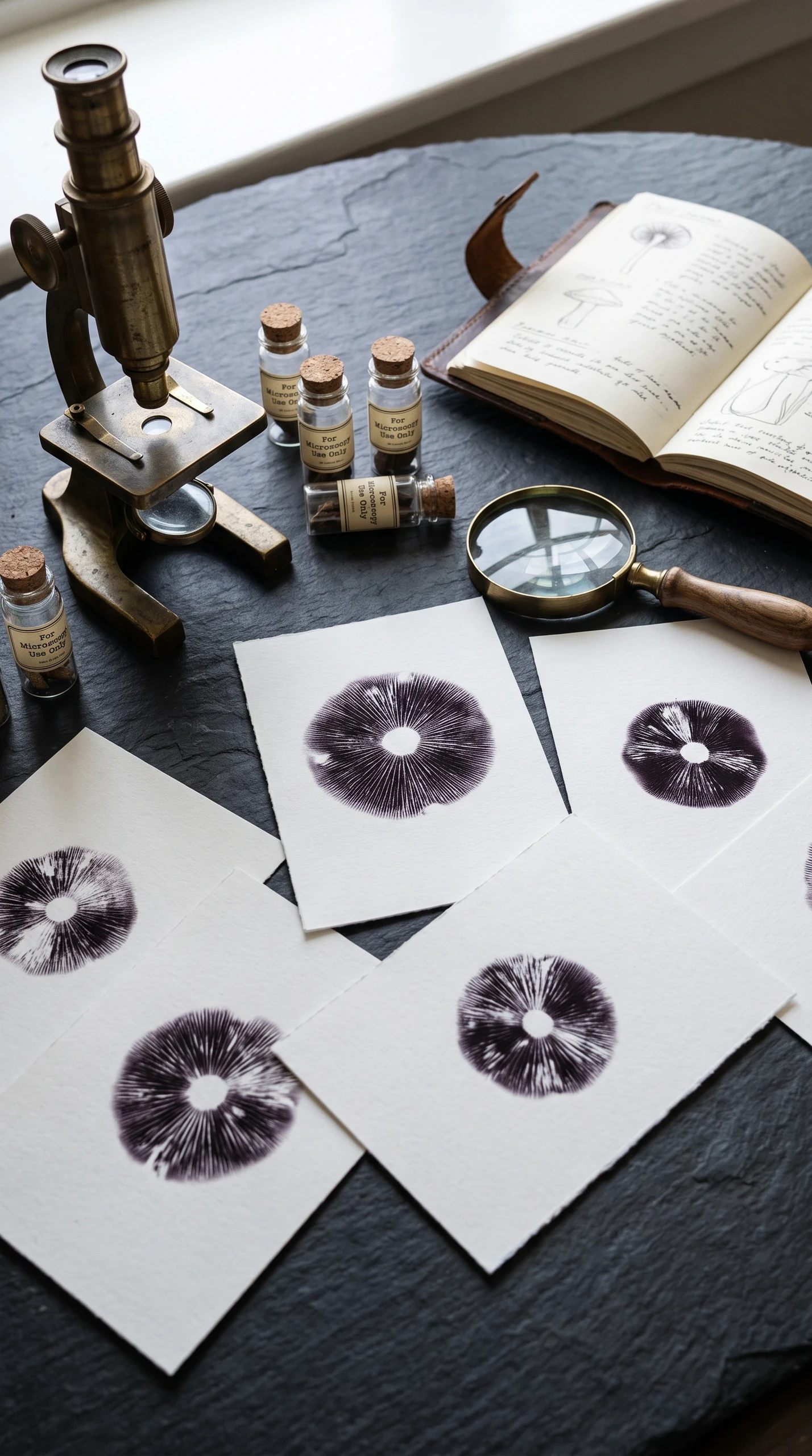
The early cultivation guides were Xeroxed pamphlets and counterculture zines, circulated hand to hand or advertised in the back pages of High Times. The legal status was paradoxical. Psilocybin and psilocin were Schedule I controlled substances as of 1970, but spores, which contain neither compound, existed in a legal gray area in most states. A cottage industry sprang up. Spore prints were sold as "microscopy specimens," ostensibly for mycological study, with the understanding that everyone knew what they were actually for. By the time Golden Teacher entered the scene, this underground spore trade was already a functioning, if precarious, ecosystem.
What did not exist yet was a robust culture of named cultivars. There were wild-collected specimens identified by their geographic origin, Amazonian or Cambodian or Ecuadorian, and there were a handful of domesticated lines with informal monikers. But the explosion of cultivar names, the dozens of trademarked or colloquial strains that populate spore vendor catalogs today, had not yet begun. Golden Teacher arrived early in that naming wave, and its timing matters. It was distinctive enough to stand out, accessible enough to spread quickly, and mysterious enough in origin to generate the kind of lore that kept people talking.
The Florida Version
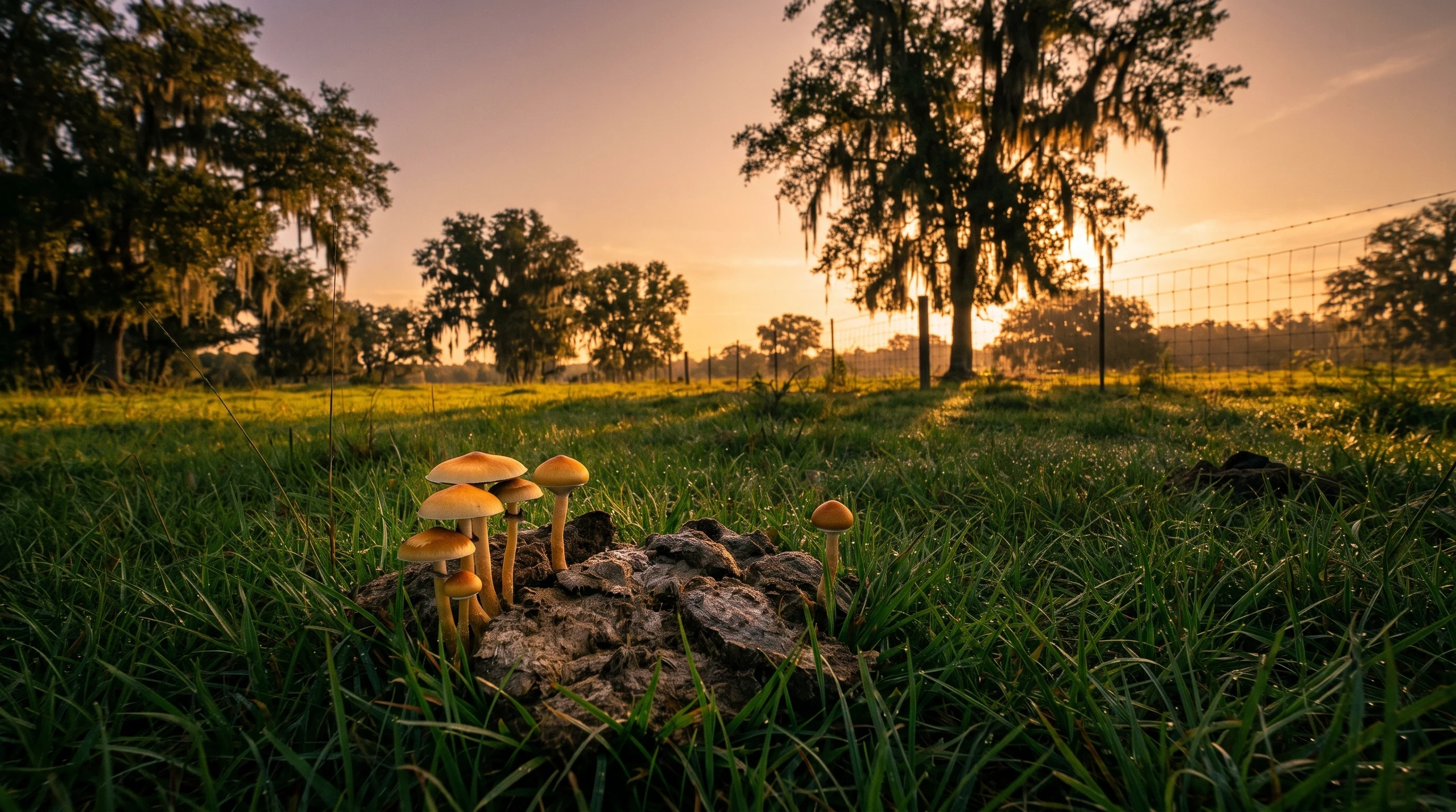
The story most commonly told goes like this. A mycologist, amateur or otherwise depending on who is doing the telling, encountered a wild-growing flush of P. cubensis in a cattle pasture somewhere in Florida. The caps were a striking golden-yellow color, brighter and more uniform than the typical brown-capped cubensis varieties in circulation. The finder took spore prints. Those prints entered the spore-trading network, a loose web of mail-order vendors and private collectors who swapped genetics through classified ads and word of mouth.
By the early 1990s, the name "Golden Teacher" was appearing in those classifieds. The earliest verifiable public reference appears to be a High Times advertisement from July 1991, though the cultivar was likely in circulation at least a year or two before it reached print. Spore vendors began listing it alongside other named varieties. Its reputation spread. Fast colonization, resilient growth, and a visually distinctive golden cap made it a favorite for novice cultivators, and its name carried a certain mystique that plain geographic labels lacked.
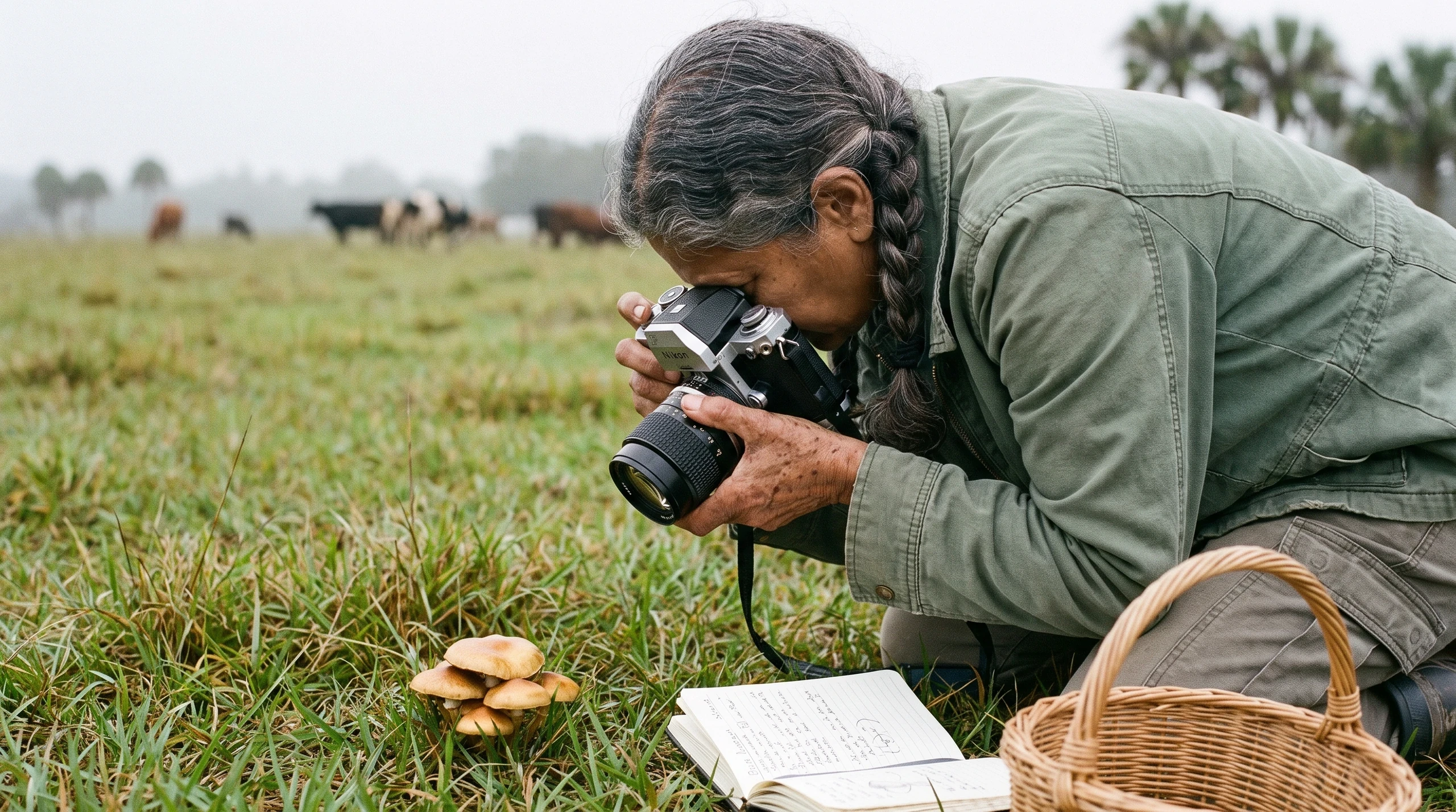
But who found it, exactly where in Florida, and when, remain open questions. No one has stepped forward with documentation. No field notes, no photographs of the original wild specimen, no GPS coordinates. The finder, if they are still alive, has either chosen to remain anonymous or was never publicly identified in the first place. Florida is large, and subtropical cattle pastures where P. cubensis thrives are common across the state. The story is plausible but unverifiable, a tale preserved in community memory rather than archival record.
Competing Narratives
The Florida origin is not the only story. An alternative version traces Golden Teacher to a California-based spore vendor who received a Hawaiian variety, possibly a strain known as Hawaiian PES, or Pacific Exotica Spora, and renamed it for marketing purposes. Another account credits a professor, unnamed, who brought back spores from Guyana and shared them with the cultivation underground. A fourth story claims a Dutch grower popularized the name in Europe and it migrated back to the United States. None of these accounts can be definitively proven or disproven. All rely on secondhand recollections, forum posts that may or may not still exist, and the testimony of people operating under pseudonyms in a legally dubious market.
This multiplicity of origin stories is not unique to Golden Teacher. Many cultivar names in the P. cubensis world carry similarly murky provenance. The underground nature of the spore trade discouraged documentation. Real names were liabilities. Record-keeping was minimal. The culture valued operational security over historical transparency, which means the early history of many strains is preserved only in anecdote, rumor, and the occasional ambiguous reference in decades-old newsletters.
What is clear is that by the mid-1990s, Golden Teacher had become one of the most widely recognized and widely circulated cubensis cultivars in North America and Europe. Its golden caps, reputation for reliability, and evocative name made it a staple offering for spore vendors. The mystery of its origin, rather than diminishing its appeal, seemed to enhance it. A mushroom with no clear beginning fit neatly into the countercultural mythology of the psychedelic underground.

The Weight of Names
To call Golden Teacher a cultivar is, strictly speaking, a stretch. Mycologically, all P. cubensis cultivars are the same species, genetically intercompatible and phenotypically variable. What separates Golden Teacher from, say, B+ or Ecuadorian cubensis is not a meaningful genetic distinction but rather a lineage of selective isolation and spore propagation. Enthusiasts have bred these mushrooms for visual traits, growth characteristics, and perceived potency, but the differences are subtle. Research into P. cubensis strains has found substantial variability in psilocybin and psilocin content both between and within named strains, with environmental factors often playing as large a role as genetics.
Yet the name stuck, and names matter. "Golden Teacher" evokes a sense of wisdom, guidance, and approachability. It sounds safer than "Penis Envy," more mystical than "Amazonian," more user-friendly than a taxonomic designation. The marketing function of cultivar names in the spore trade cannot be overstated. A compelling name helps a strain proliferate, and proliferation, in turn, reinforces the name's legitimacy. Golden Teacher succeeded in part because it sounded like something worth seeking out.
The irony is that the "teaching" metaphor, though it has been retroactively imbued with spiritual and therapeutic significance by users, likely originated as simple branding. Someone, somewhere, chose a name that sounded appealing. The mushrooms did not name themselves. The qualities attributed to Golden Teacher, its purported gentleness for beginners or its capacity to impart insight, are user interpretations projected onto a fungus that, chemically speaking, is not drastically different from dozens of other cubensis lines.

A History Built on Silence
What the Florida mystery reveals is not just the origin of one cultivar, but the nature of knowledge preservation in criminalized spaces. The people who found, grew, traded, and named these mushrooms operated in a context where visibility meant risk. Detailed documentation was dangerous. Real identities were carefully guarded. The result is a historical record riddled with gaps, where even basic questions like "who discovered this" or "when did it first appear" cannot be answered with confidence.
This erasure is not accidental. It is the predictable consequence of prohibition. When an activity is illegal, its history becomes fugitive. The early cultivators of P. cubensis, the ones who refined techniques, isolated strains, and built the spore trade into a functioning if underground industry, did so without the benefit of institutional support, academic validation, or legal protection. Their innovations were documented, when they were documented at all, in pseudonymous forum posts, photocopied booklets, and word-of-mouth knowledge passed through trusted networks. Much of that early work is now lost or irretrievable, living only in the unreliable vessel of collective memory.
The question then is not just where Golden Teacher came from, but who gets to claim that history, and what responsibility we bear toward the people whose knowledge made it possible. The Florida pasture story, if true, means someone walked land that may have been Indigenous territory or appropriated ranchland. The spore traders who spread Golden Teacher operated in a legal gray zone that was gray for them, perhaps, but much less forgiving for people without race or class privilege to buffer them from enforcement. The broader history of psilocybin mushrooms in the Americas is inseparable from colonialism, extraction, and the commodification of Indigenous knowledge.
What the Mystery Asks of Us
The fact that we do not know where Golden Teacher came from is, in one sense, unremarkable. Plenty of cultivated organisms have murky origins. But in the case of a psychoactive mushroom whose primary use is spiritual, therapeutic, or recreational, the absence of clear lineage raises ethical questions. Who benefits from the mystery, and who is erased by it? When a cultivar name becomes a brand, detached from geography and people and history, what claims to knowledge or authority are being quietly made?
There is no smoking gun here, no single villain to blame for the obscurity. The mystery is structural, a product of prohibition, a consequence of an underground culture that prioritized survival over documentation. But acknowledging that does not absolve us of responsibility. If we use Golden Teacher, grow it, write about it, or recommend it, we are participating in a chain of transmission that begins somewhere we cannot see and involves people we cannot name. That is not necessarily wrong, but it is worth sitting with.
The Florida mystery will likely never be solved. The original finder, if they exist, may have taken the story to the grave, or they may simply have no interest in stepping forward into a legal landscape that remains hostile in much of the world. The competing narratives will continue to circulate, none definitive, all plausible enough to survive. What remains is the mushroom itself, easy to identify by its golden caps and robust growth, still widely cultivated, still bearing a name that promises something it may or may not deliver.

Both things can be true at once. Golden Teacher can be a reliable, visually striking cubensis cultivar worth studying and appreciating. And its history can be a reminder of what prohibition costs, the voices it silences, the knowledge it buries. The mystery is not a charming quirk. It is a scar.
The Legacy, If You Can Call It That
Golden Teacher's spread through the 1990s and 2000s coincided with the rise of online mycology forums, where growers shared techniques and troubleshooting advice with a level of detail and accessibility that earlier generations could not have imagined. Shroomery, The Hive, and later Reddit forums became repositories for cultivation knowledge, much of it focused on beginner-friendly methods and beginner-friendly strains. Golden Teacher became a go-to recommendation, reliable enough that failures could usually be attributed to user error rather than temperamental genetics.
In the era of psychedelic renaissance research, where psilocybin is being studied for depression, PTSD, and end-of-life anxiety, cultivar names like Golden Teacher appear less frequently in the scientific literature. Clinical trials typically use chemically standardized synthetic psilocybin or well-characterized whole-mushroom extracts, not specific cultivars. The distinctions that matter to underground cultivators, cap color and growth speed and anecdotal trip reports, are not the distinctions that matter to researchers running double-blind trials. Yet the cultivar names persist in the public imagination, and Golden Teacher remains a cultural touchstone even if its scientific relevance is limited.
That gap, between the folk taxonomy of the underground and the controlled conditions of the lab, is itself a legacy of prohibition. For decades, the people doing the most hands-on work with psilocybin mushrooms were hobbyists and psychonauts, not credentialed scientists. They developed their own knowledge systems, their own language, their own standards of evidence. Some of that knowledge has proven durable and useful. Some of it is speculative or contradictory. All of it exists in a context shaped by the fact that formal research was largely illegal until very recently.
Golden Teacher, in this sense, is a marker of that DIY era, a cultivar that thrived precisely because institutional mycology and pharmacology were locked out of the space. The mystery of its origin is also the story of who got to do the work of cultivation and naming when the work was underground. Mostly men, mostly white, mostly operating in countries where the penalties for possession were relatively mild compared to the global south. That demographic skew is not incidental. It is part of the story too.
Ethical Residue
One consequence of the Golden Teacher mystery is that it makes ethical consumption difficult to imagine. If you do not know where something came from, how do you evaluate whether its presence in your life is extractive, reciprocal, or neutral? This is not a question the mushroom itself can answer. P. cubensis does not care whether you acknowledge the land it grew on or the hands that isolated its spores. But people, or at least some people, might.
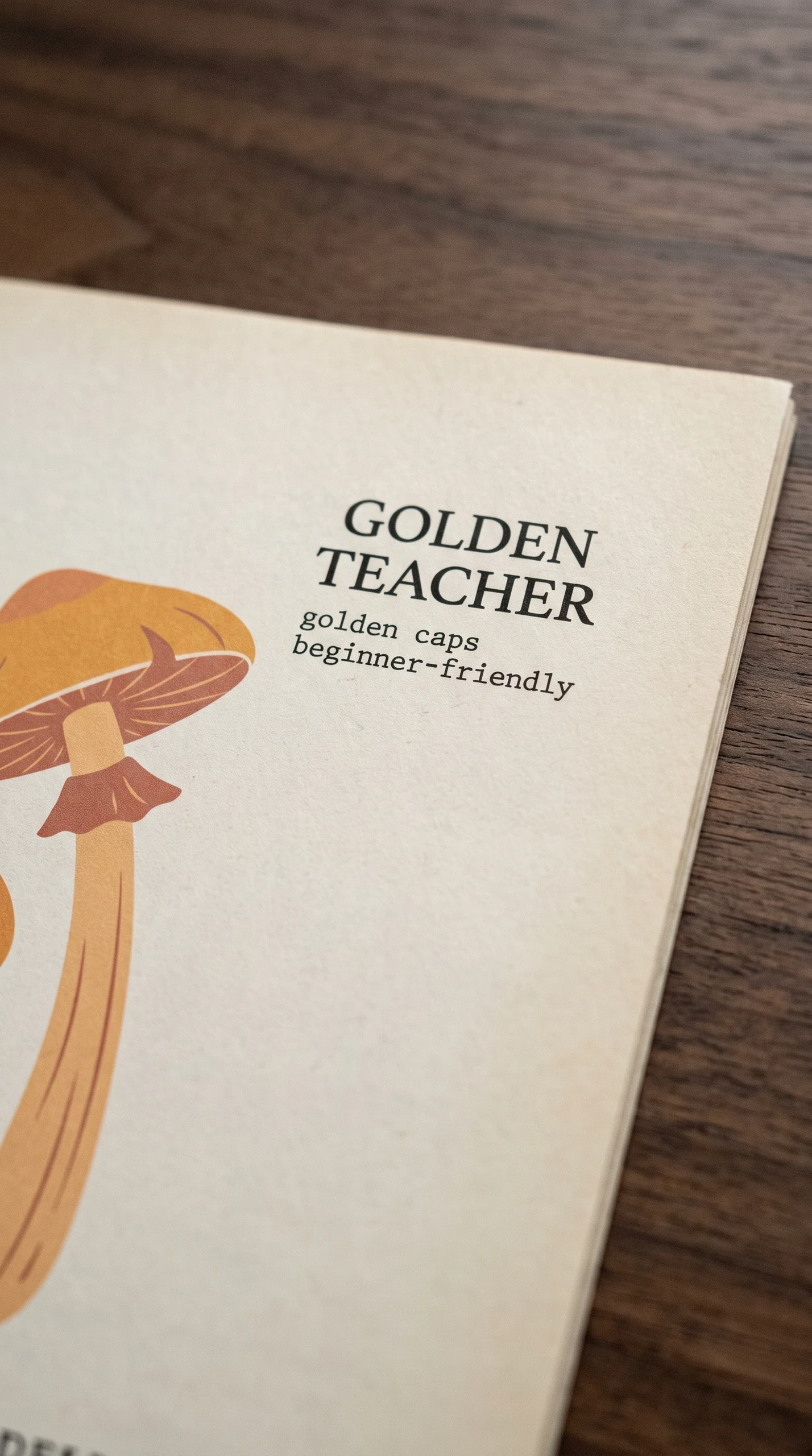
The language of "plant medicine" and "entheogen" that surrounds psilocybin mushrooms today often gestures toward Indigenous traditions, particularly Mazatec and other Mesoamerican practices, even when the mushroom in question, Golden Teacher included, has no documented connection to those traditions. The cultural borrowing is real, even if the direct lineage is not. And the borrowing runs in one direction. Indigenous communities whose knowledge was extracted, photographed, published, and commodified by outsiders rarely see material benefit from the psychedelic renaissance now underway.
Golden Teacher, as a named cultivar circulating in a largely white, largely Western market, exists downstream of that history. It may not directly derive from Indigenous spores or knowledge, but it exists in a cultural context shaped by Wasson's velada, by decades of ethnobotanical tourism, by the assumption that psychedelic wisdom is there for the taking. That assumption is a legacy worth examining, even when, especially when, the direct link is murky.
This is not a call to stop growing or using Golden Teacher. It is a call to recognize that mystery is not the same as innocence. Not knowing where something came from does not mean it arrived without cost.
The Archival Void
Historians hate gaps. They hate them because gaps invite fabrication, because absence of evidence gets mistaken for evidence of absence, because the people whose stories go unrecorded are usually the ones with the least power. The Golden Teacher mystery is a small gap in a larger archival void, the decades of psilocybin cultivation history that exists primarily in fading memories, dead links, and boxes of old zines in someone's garage.
Some of that void is inevitable. Prohibition creates conditions hostile to record-keeping. But some of it is a choice. As psychedelics move toward decriminalization and medical legitimacy, there is an opportunity to document what remains, to interview the still-living pioneers of underground cultivation, to digitize the zines and newsletters and forum archives before they disappear. That work is beginning, but it is slow and underfunded, and every year more of the early history slips out of reach.
Golden Teacher will likely remain a mystery. But the broader history it belongs to does not have to. There are people still alive who were part of the spore trade in the 1980s and 1990s, who remember the techniques and networks and risks. Their knowledge is fragile, contingent, and worth preserving, not because it will resolve every question of provenance, but because it is part of the record of how people navigate prohibition, build knowledge systems outside institutions, and create cultures of care in criminalized spaces.
The Florida mystery is also a reminder that history is made by whoever bothers to write it down. The fact that we do not know where Golden Teacher came from is, in part, because the people involved did not think their work would matter to anyone beyond their immediate circle. They were wrong. It mattered then, and it matters now, and the absence of their voices is a loss we cannot fully recover.
The Scar Tissue
If you grow Golden Teacher today, you are growing a lineage that stretches back to someone's pasture, someone's spore print, someone's decision to mail an envelope and take the risk. You do not know their name. You do not know if they were compensated, or credited, or even aware that their find would become one of the most recognized cultivar names in circulation. That unknowing is the scar tissue of prohibition, the price paid for decades of policy that treated curiosity and cultivation as crimes.
The mushroom grows anyway. Golden caps, reliable colonization, a name that stuck. The mystery remains.
Frequently asked questions
Where did the Golden Teacher cultivar actually originate?
Why are there so many conflicting origin stories for Golden Teacher?
Is Golden Teacher genetically distinct from other Psilocybe cubensis strains?
When did the name "Golden Teacher" first appear in public records?
What ethical issues does the Golden Teacher mystery raise?
Ready to apply what you've learned?
Browse lab-tested magic mushrooms, edibles, microdose capsules and teas — shipped discreetly across the United States.