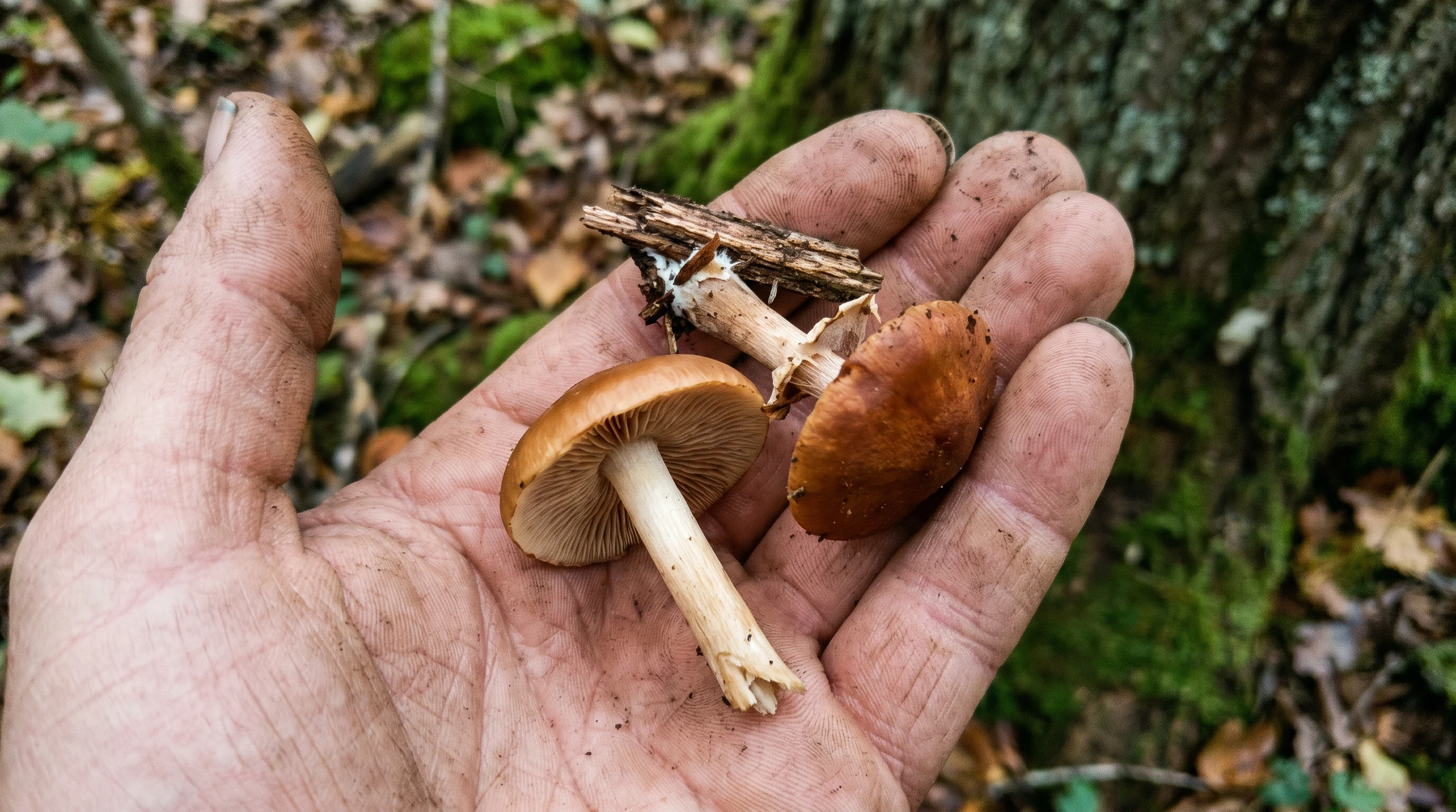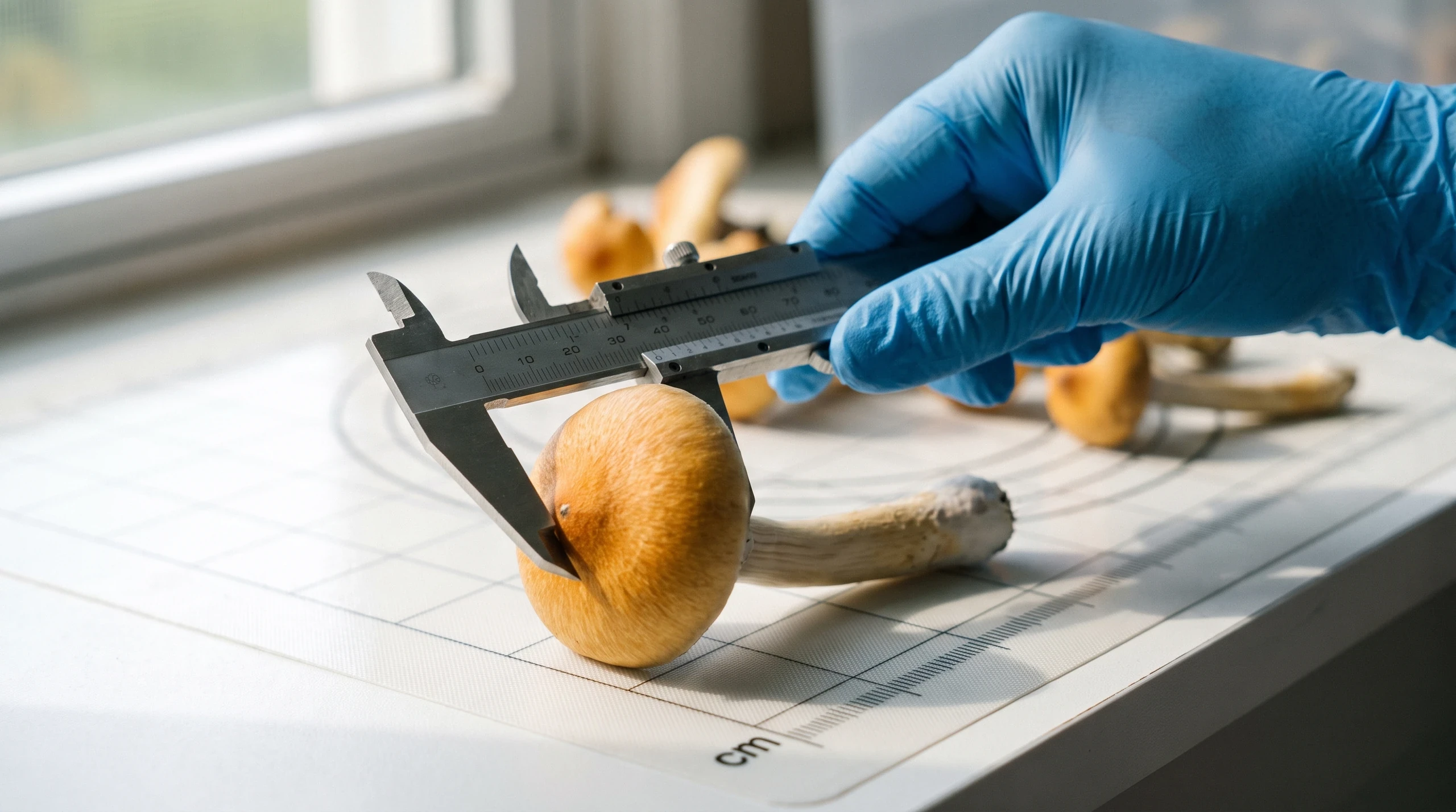
Ask anyone who has browsed a psychedelic forum, perused a grow kit website, or glanced at the explosion of psilocybin research coverage in the last decade what strain comes to mind, and the answer is nearly always the same. Golden Teacher. Not Penis Envy, not B+, not any of the dozens of other Psilocybe cubensis cultivars circulating in spore libraries and cultivation communities. The Golden Teacher occupies a peculiar throne in contemporary psychedelic culture, a strain whose name recognition far exceeds what its actual pharmacological profile would predict. How a mushroom with murky origins and unremarkable potency became the default face of an entire cultural and clinical renaissance is a story about names, timing, accessibility, and the way an image can carry more weight than the thing itself.
The Mystery Origin
The exact provenance of Golden Teacher remains contested, which is typical for a cultivar that emerged from the semi-clandestine world of amateur mycology in the late 1980s. The most commonly repeated origin story holds that it was isolated from a wild Psilocybe cubensis specimen found in Florida, though no one has ever produced definitive documentation. An alternative account, circulated among cultivators, claims the strain was actually a Hawaiian PES, Pacific Exotica Spora, that a Dutch grower rebranded. Both stories share a revealing feature: they position Golden Teacher as something discovered rather than engineered, a find rather than a creation.
This ambiguity became part of the appeal. In an underground where legitimacy was hard to come by and everyone operated under pseudonyms, a strain with a mysterious backstory felt more authentic than one with a clear pedigree. The mushroom world has always trafficked in folklore. When you are working outside institutional structures, origin myths do the work that patents and trademarks do in legal markets. They confer value, suggest rarity, imply knowledge passed hand to hand. Golden Teacher arrived at the right moment to benefit from all of this.
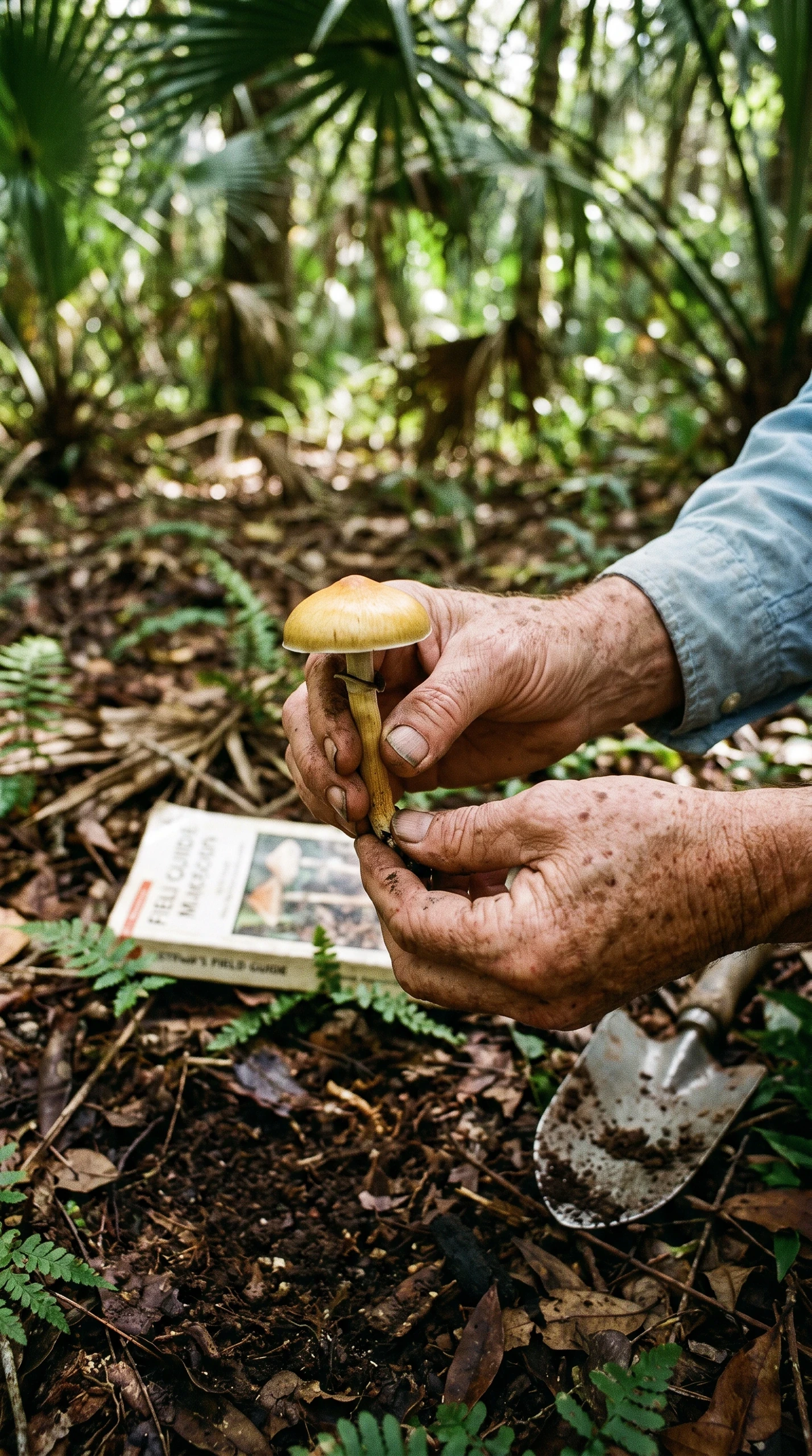
The species itself, Psilocybe cubensis, was first identified in Cuba in 1906 by mycologist Franklin Sumner Earle and formally classified decades later. By the time Golden Teacher appeared, P. cubensis was already the model organism for underground cultivation, easier to grow than its wood-loving cousins and far more forgiving of amateur mistakes. Golden Teacher was not the first cubensis strain to circulate widely, but it was the one that stuck.
The Name That Sold a Movement
If the origin story is murky, the naming is not. Golden Teacher refers both to the mushroom's coloring, a pale gold cap that lightens as it matures, and to the experience it purportedly delivers. Users describe the trip as introspective, philosophical, less recreational than educational. Whether the name came first and shaped user expectations, or whether the name simply captured what people were already reporting, is impossible to untangle at this point. What matters is that it worked.

Names matter in ways that are hard to quantify until you see them succeed or fail in the wild. Penis Envy, another cubensis strain, has high potency and a dedicated following, but the name limits its appeal. It reads as jokes-among-guys vernacular, fine for a certain crowd, alienating for others. B+ sounds like a grade, which is not nothing, but it lacks poetry. Golden Teacher sounds like something Joseph Campbell would reference. It evokes wisdom traditions, mycological reverence, the possibility that a fungus might have something to teach you if you approach it correctly.
The name also threaded a needle that became more important as psychedelics moved toward the mainstream. It gestured at the spiritual and the therapeutic without committing to either. You could take Golden Teacher as a microdose to enhance creativity, or you could take a full dose with intentions around healing, and the name accommodated both. It did not demand that you be a psychonaut or a patient. It suggested that the mushroom would meet you where you were.

Rise of the Home Cultivator
Golden Teacher's ascent is inseparable from a broader shift in how psilocybin mushrooms circulated. In the 1990s, a cultivator known as Professor Fanaticus, real name Billy McPherson, published the PF Tek, a simplified cultivation method that required no lab equipment and could be executed in a closet. The technique involved injecting spores into jars of sterilized brown rice flour and vermiculite, waiting for colonization, and fruiting mushrooms directly from the cakes. It was elegant, replicable, and it turned Psilocybe cubensis from an exotic subject of ethnobotanical interest into something you could grow at home.
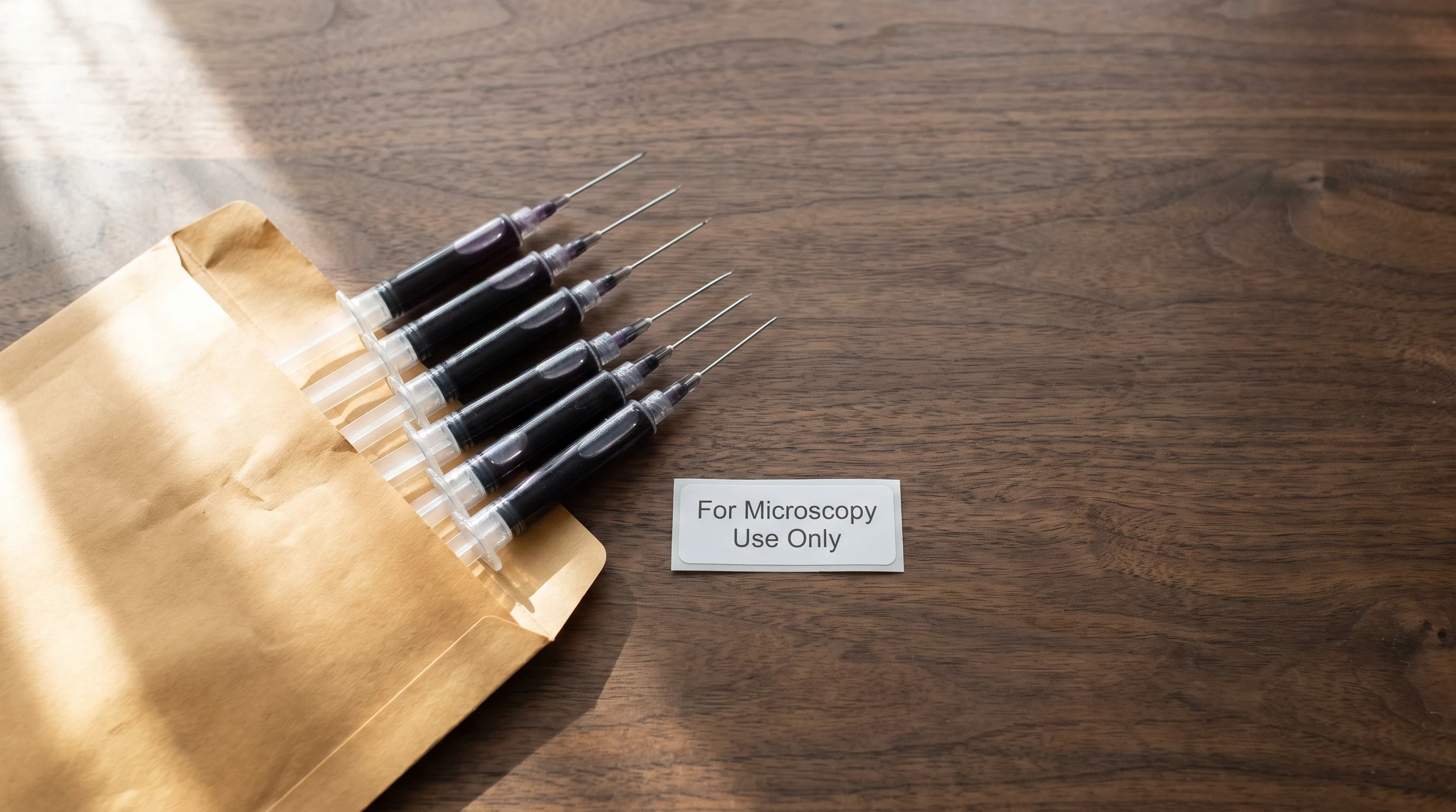
PF Tek democratized access in a way that earlier methods had not. Suddenly forums like The Shroomery filled with first-time growers posting photos of their flushes, troubleshooting contamination, comparing yields. Spore vendors operated in a legal gray area, selling spores for "microscopy purposes" while everyone understood the actual use case. An underground industry of mail-order spores sprouted up, pseudonymous users shared refinements to the tek, and Golden Teacher was one of the easiest, most reliable strains to grow.
It colonized fast, fruited generously, and tolerated beginner mistakes better than finicky strains. In a community where success was often a matter of trial and error, and where a contaminated jar meant starting over, reliability was the trait that mattered most. Golden Teacher became the default recommendation, the strain you told newcomers to start with, and defaults have a way of becoming standards.
By the early 2000s, Golden Teacher had achieved something close to ubiquity in online cultivation communities. It was not the most potent, not the largest fruiting, not the fastest to colonize. It was simply everywhere. And in a decentralized network where reputation spreads through word of mouth and shared logs, being everywhere is its own form of legitimacy.
Visual Grammar of an Icon
Part of what made Golden Teacher iconic was how it looked. The caps are a warm golden yellow that photographs well, distinctive enough to be recognizable but not so garish as to seem alien. The stems are thick, sturdy, white with a slight curve. When fresh, they have a clean, almost sculptural quality. This matters more than it should.

Psychedelic mushrooms occupy a strange visual space in popular culture. The red-and-white Amanita muscaria, the fly agaric, has been the default mushroom in fairy tales and video games for over a century, but it contains ibotenic acid and muscimol, not psilocybin, and the experience is not what most people mean when they talk about psychedelics. Amanita muscaria has become shorthand for "magic mushroom" in art and iconography, even though it is pharmacologically unrelated to psilocybin species. This created a gap.
Golden Teacher filled that gap. Its golden cap became the visual referent for psilocybin mushrooms in a way that earlier cubensis strains had not. When stock photo sites needed an image for articles about psychedelic therapy, they reached for something that looked golden and clean. When harm reduction organizations designed educational materials, they wanted a mushroom that did not look threatening. Golden Teacher, with its warm color and approachable form, became the image.
The mushroom's visual grammar also aligned with the broader aesthetics of the psychedelic renaissance. As psilocybin research moved into clinical settings and the language shifted from counterculture to therapy, the iconography had to shift as well. Psychedelic art in the 1960s was bright, chaotic, full of melting colors and wavy patterns. The new psychedelic branding is muted, tasteful, often featuring earth tones and natural textures. Golden Teacher, which already looked like something you might find on a walk in the woods, fit the new visual language without requiring redesign.

The Clinical Legitimacy Halo
Golden Teacher's rise coincided with the return of psilocybin to mainstream scientific research. After decades of restriction following the Controlled Substances Act of 1970, researchers at Johns Hopkins, Imperial College London, and other institutions began publishing studies on psilocybin-assisted therapy for depression, anxiety, PTSD, and addiction. Clinical trials demonstrated efficacy, major universities opened psychedelic research centers, and media coverage framed psilocybin not as a party drug but as a potential breakthrough in mental health treatment.
None of this research used Golden Teacher specifically. Clinical trials use pharmaceutical-grade synthetic psilocybin, or occasionally whole mushroom material standardized for psilocybin content, but strain identity is rarely disclosed or considered relevant. What mattered was the molecule. But in the public imagination, the association formed anyway. When people read about psilocybin therapy, they pictured mushrooms, and increasingly the mushroom they pictured was Golden Teacher.
This created a halo effect. The strain inherited cultural legitimacy from research it had no direct role in. Harm reduction guides began recommending Golden Teacher as a beginner-friendly option not just because it was easy to grow, but because it had become synonymous with the more intentional, therapeutic approach to psychedelics that the clinical research represented. Set and setting, the idea that mindset and environment shape the psychedelic experience, became a mantra in online communities, and Golden Teacher was positioned as the strain best suited to that framework.
The renaissance also brought new users into the space. People who would never have considered psychedelics in their Grateful Dead connotation became curious when they read about psilocybin therapy in The New York Times. These users wanted something safe, reliable, well-documented. They wanted the psychedelic equivalent of a name brand. Golden Teacher, with its established reputation and its name that promised insight rather than chaos, was what the market recommended.
Research into Psilocybe cubensis strains has shown that psilocybin content varies more within a strain based on growing conditions than it does between strains, meaning the pharmacological differences people attribute to Golden Teacher versus other cubensis varieties are likely overstated. But perception, not chemistry, is what makes an icon.

The Gap Between Image and Organism
Golden Teacher is still just a mushroom. For all the mythology, the chemical profile is unremarkable for a Psilocybe cubensis. Psilocybin content typically ranges between 0.5 and 1 percent of dry weight, sometimes reaching the lower end of 0.63 percent, which places it firmly in the average range. Reports of a uniquely "spiritual" or "teaching" quality are not borne out by controlled analysis. What people experience is shaped as much by expectation, dose, set and setting, and individual neurochemistry as by anything intrinsic to the strain.
This is not to say the experiences are invalid, only that they are not unique to Golden Teacher. The same dose of psilocybin from a different cubensis strain, taken in the same context, would likely produce similar effects. The narratives people construct around the mushroom, the intentions they bring, the cultural framing they absorb, all of this does real work in shaping the trip. Names carry weight. But the weight is symbolic, not chemical.

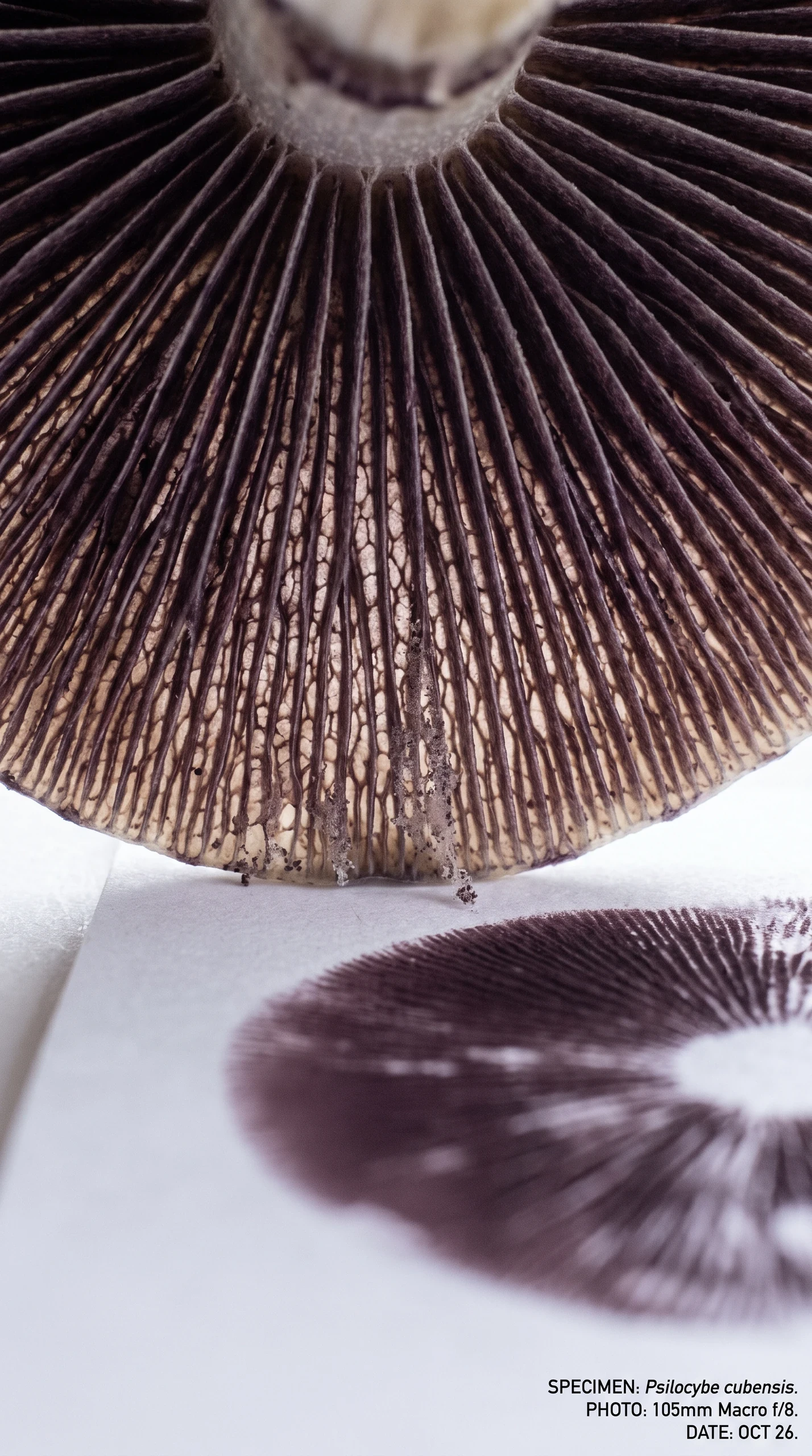
There is also the matter of safety and legality. Psilocybin remains a Schedule I controlled substance in most jurisdictions, including the United States, meaning possession, cultivation, and distribution are federal crimes. Some cities and states have moved toward decriminalization or are exploring regulated access for therapeutic use, but the legal landscape is inconsistent and identification errors can be dangerous. Psilocybe cubensis is relatively easy to distinguish from toxic look-alikes if you know what to look for, a dark purple-brown spore print, bruising that turns blue, gills that start grayish and darken, but confident identification requires experience. Mistaking a toxic species for a psilocybin mushroom can be fatal.
Golden Teacher's mainstream visibility has made it more recognizable, which cuts both ways. On one hand, widespread familiarity means better harm reduction information is available. On the other, visibility can breed overconfidence. Knowing the name is not the same as knowing the organism. Anyone considering cultivation or consumption needs to understand not just the cultural mystique but the actual risks, legal and biological.
Why This Matters
The story of how Golden Teacher became an icon is a story about how underground knowledge becomes mainstream, and what gets lost or distorted in the translation. It is a story about branding in a space that resists branding, about how a name can do as much work as the thing it names. It is also a reminder that icons are made, not born. Golden Teacher succeeded because it arrived at the right time, with the right name, in the right form, to meet a need that the culture had not yet articulated.
The psychedelic renaissance has been characterized by a push toward legitimacy, a desire to bring these substances out of the countercultural margins and into clinical and legal frameworks. Golden Teacher became the friendly face of that transition, the strain that could appear in a New York Times photo illustration without looking too threatening. It mediated between the old psychedelic culture, with its emphasis on exploration and mysticism, and the new one, with its focus on therapy and wellness.
But the transition is incomplete and uneven. For every clinical trial, there are still thousands of people growing mushrooms in closets, ordering spores under pseudonyms, navigating legal gray areas. The icon exists in both worlds, a symbol of where psychedelics have been and where they might be going. Whether that tension resolves or simply becomes permanent is still an open question.
What is certain is that Golden Teacher will remain part of the conversation. It has achieved the kind of recognition that outlasts the conditions that created it. Even if another strain becomes more popular among cultivators, even if synthetic psilocybin replaces whole mushrooms in therapeutic contexts, the name and the image have already done their work. The mushroom became a symbol larger than itself, and symbols, once established, are difficult to dislodge.
Frequently asked questions
Is Golden Teacher more potent than other Psilocybe cubensis strains?
Where did the Golden Teacher strain originate?
Why did Golden Teacher become so popular compared to other strains?
Is Golden Teacher safer than other psilocybin mushrooms?
What does research say about differences between Psilocybe cubensis strains?
Ready to apply what you've learned?
Browse lab-tested magic mushrooms, edibles, microdose capsules and teas — shipped discreetly across the United States.